
Common Sports Injuries and How Rehabilitation Helps You Recover Faster
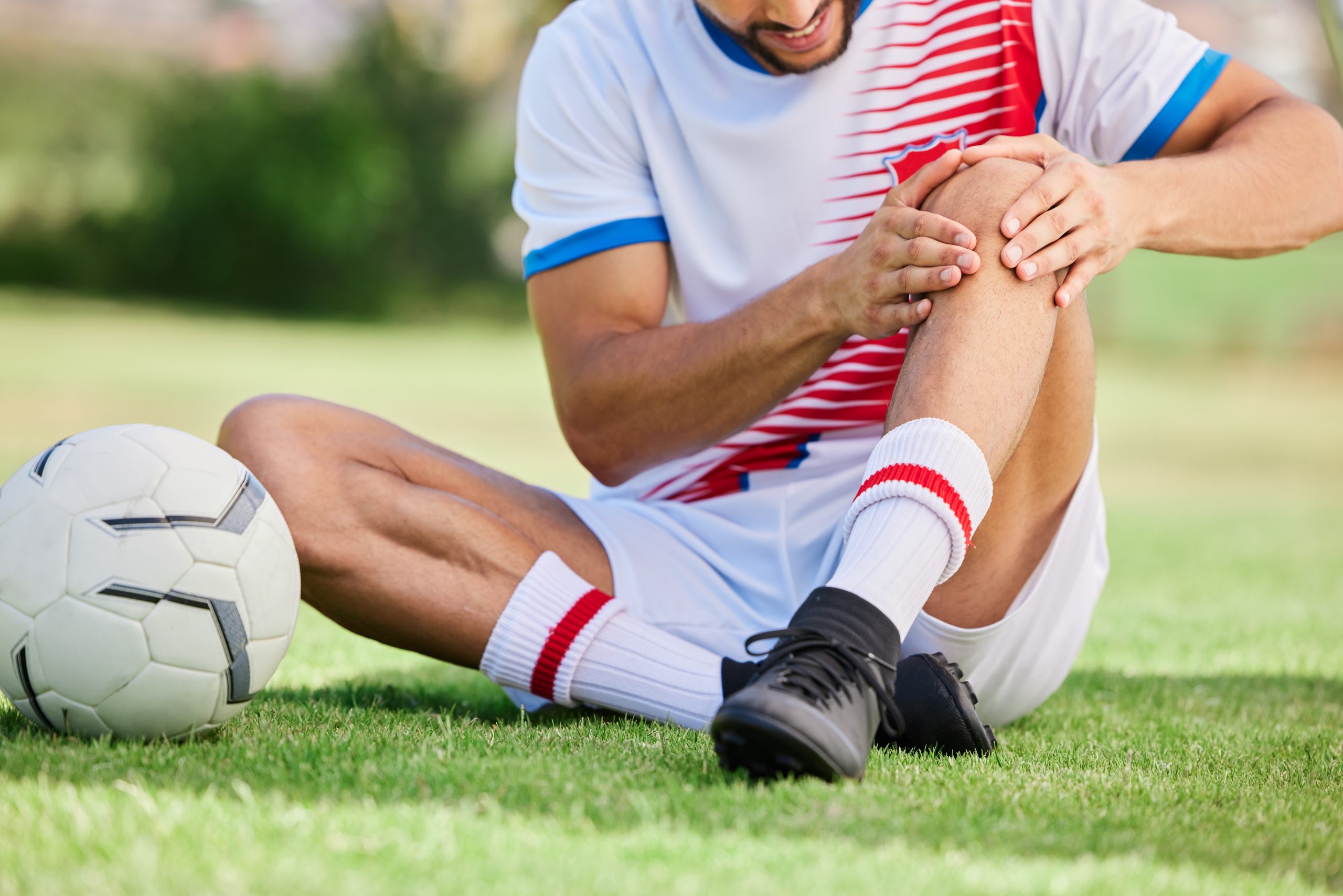
Whether you’re a competitive athlete, weekend warrior, or simply enjoy staying active, injuries can happen when you least expect them. While some sports injuries heal with time, others require professional treatment to restore strength, mobility, and function while reducing the risk of reinjury.
At The Injury Rehabilitation Centre in Caledonia, we help patients recover from a wide range of sports injuries using a collaborative approach that may include physiotherapy, chiropractic care, massage therapy, acupuncture, and personalized rehabilitation programs.
The Most Common Sports Injuries
Sports injuries can affect muscles, joints, ligaments, tendons, and bones. Some develop suddenly after an accident, while others occur gradually from repetitive movement or overuse.
Some of the most common sports injuries include:
- Ankle sprains
- Knee ligament injuries
- Shoulder strains
- Rotator cuff injuries
- Tennis elbow
- Golfer’s elbow
- Hamstring strains
- Groin strains
- Achilles tendon injuries
- Shin splints
- Low back injuries
- Neck injuries
Regardless of the injury, early assessment and appropriate treatment can help improve recovery and prevent long-term complications.
Why Rehabilitation Matters
Many people stop treatment once the pain improves. Unfortunately, pain relief doesn’t always mean the injury has fully healed.
Without restoring normal strength, flexibility, balance, and movement patterns, the injured area often remains vulnerable to future injury.
Rehabilitation focuses on helping your body return to full function—not simply reducing pain.
Goals of rehabilitation include:
- Restoring joint mobility
- Improving muscle strength
- Increasing flexibility
- Correcting movement patterns
- Improving balance and coordination
- Reducing the risk of reinjury
- Returning safely to sport and daily activities
- How Physiotherapy Supports Recovery
Physiotherapy plays a central role in sports injury rehabilitation.
Following a detailed assessment, your physiotherapist develops a treatment plan based on your injury, activity level, and goals.
Treatment may include:
- Therapeutic exercises
- Strength training
- Mobility exercises
- Balance training
- Manual therapy
- Return-to-sport progression
- Education on injury prevention
As healing progresses, your rehabilitation program is adjusted to safely rebuild strength and confidence.
When Chiropractic Care May Help
Many sports injuries affect not only muscles but also joints and spinal mechanics.
Chiropractic care may help improve joint mobility, reduce stiffness, and restore normal movement throughout the body.
This can be especially beneficial following injuries involving the:
- Neck
- Back
- Shoulders
- Hips
- Knees
Restoring proper joint function often allows surrounding muscles to work more efficiently during recovery.
The Benefits of Massage Therapy
Soft tissue injuries frequently lead to muscle tightness and scar tissue formation.
Registered Massage Therapy can help:
- Reduce muscle tension
- Improve circulation
- Promote relaxation
- Improve tissue mobility
- Decrease post-exercise soreness
Massage therapy is commonly used alongside physiotherapy and chiropractic care to support overall rehabilitation.
How Acupuncture Can Complement Recovery
Acupuncture is another treatment option that may assist with sports injury recovery.
Many patients find acupuncture helpful for:
- Pain management
- Muscle tightness
- Tendon irritation
- Recovery from overuse injuries
By encouraging the body’s natural healing response, acupuncture can complement other rehabilitation treatments.
Every Injury Is Different
No two injuries—and no two athletes—are exactly alike.
Age, activity level, medical history, previous injuries, and personal goals all influence recovery.
A comprehensive assessment helps determine:
- The extent of the injury
- Which tissues are involved
- The most appropriate treatment options
- A realistic timeline for recovery
Rather than relying on a one-size-fits-all approach, individualized rehabilitation helps patients recover safely and confidently.
Preventing Future Sports Injuries
Although injuries can’t always be avoided, many are preventable.
Helpful strategies include:
- Warming up before activity
- Gradually increasing training intensity
- Maintaining flexibility
- Building strength
- Wearing appropriate footwear
- Allowing adequate recovery between workouts
- Addressing minor aches before they become major injuries
Learning proper movement mechanics can also reduce unnecessary stress on joints and muscles.
Sports Injury Rehabilitation in Caledonia
Whether you’re recovering from a recent injury or dealing with ongoing pain that’s limiting your activity, professional rehabilitation can help you return to the sports and activities you enjoy.
At The Injury Rehabilitation Centre, our team provides personalized treatment plans that may include physiotherapy, chiropractic care, massage therapy, acupuncture, and rehabilitation exercises tailored to your recovery goals.
If a sports injury is preventing you from performing at your best, contact us today! We’re here to help you move forward with confidence.