
Sports Injury Recovery: When Should You See a Professional?
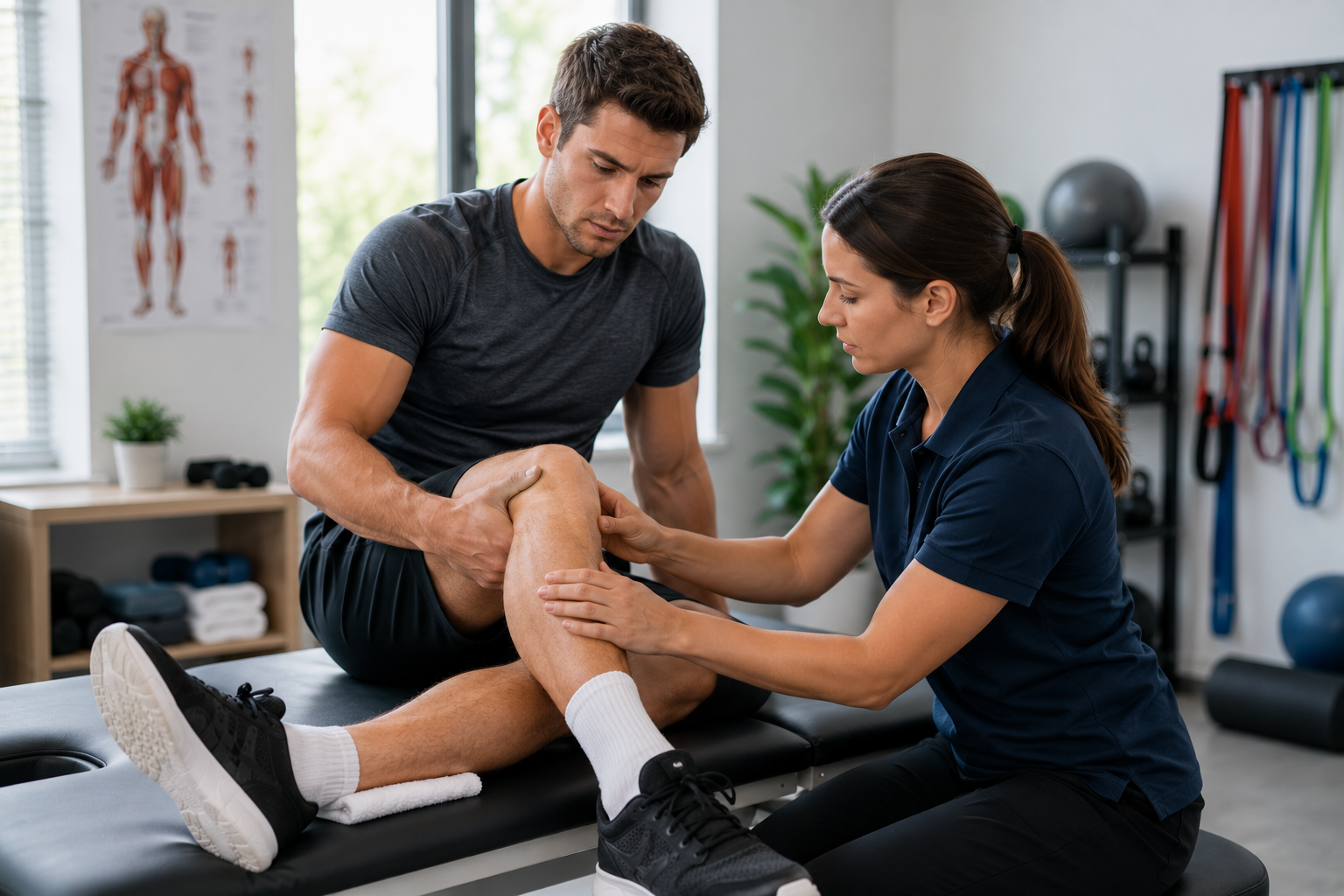
Understanding Sports Injuries
Whether you are a competitive athlete, weekend warrior, runner, cyclist, or simply enjoy staying active, injuries can happen when muscles, joints, tendons, or ligaments are placed under more stress than they can tolerate.
While some minor aches and pains improve with rest, other injuries require professional assessment and treatment to ensure proper healing and prevent long-term problems.
At The Injury Rehabilitation Centre in Caledonia, we help athletes and active individuals recover from sports injuries, restore movement, and safely return to the activities they enjoy.
Common Types of Sports Injuries
Sports injuries can occur suddenly or develop gradually over time.
- Sprains – Sprains occur when ligaments are stretched or torn, commonly affecting the ankles, knees, and wrists.
- Strains – Muscle and tendon strains are often caused by overstretching, overuse, or sudden movements.
- Tendon Injuries – Conditions such as Achilles tendinopathy, tennis elbow, and rotator cuff injuries can develop from repetitive stress.
- Knee Injuries – Running, jumping, cutting, and twisting movements frequently contribute to knee pain and injury.
- Shoulder Injuries – Shoulder impingement, instability, and rotator cuff injuries are common among athletes involved in overhead sports.
- Back and Neck Injuries – Sports participation can place significant stress on the spine, leading to muscle strains, joint dysfunction, or nerve irritation.
When Is Pain Normal After Activity?
Many active individuals experience temporary muscle soreness following exercise or competition. Normal post-exercise soreness typically:
- Appears within 24 to 48 hours
- Improves within a few days
- Does not significantly limit movement
- Gradually resolves on its own
However, persistent or worsening symptoms may indicate an injury that requires professional attention.
Signs You Should See a Professional
- Pain That Does Not Improve – If pain continues beyond several days despite rest and activity modification, further assessment may be beneficial.
- Swelling – Persistent swelling can indicate damage to muscles, ligaments, tendons, or joints.
- Limited Range of Motion – Difficulty moving a joint normally may suggest structural injury or significant inflammation.
- Weakness – Loss of strength during daily activities or sports participation should not be ignored.
- Difficulty Returning to Activity – If symptoms repeatedly return when you resume exercise, treatment may help address the underlying cause.
- Pain That Affects Daily Life – Sports injuries should be evaluated when they begin interfering with work, sleep, walking, driving, or normal activities.
Why Early Assessment Matters
Many athletes attempt to “push through” pain, hoping symptoms will disappear on their own. Unfortunately, untreated injuries can sometimes lead to:
- Longer recovery times
- Compensatory movement patterns
- Reduced performance
- Re-injury
- Chronic pain
Early assessment helps identify the injury, determine its severity, and establish an appropriate recovery plan.
How Physiotherapy Helps Sports Injury Recovery
Physiotherapy plays a central role in rehabilitation following many sports injuries.
- Comprehensive Assessment – A physiotherapist evaluates movement, strength, flexibility, balance, and injury-related limitations.
- Individualized Rehabilitation – Treatment plans are tailored to the athlete’s injury, sport, goals, and activity level.
- Therapeutic Exercise – Specific exercises help restore strength, mobility, stability, and function.
- Return-to-Sport Planning – Progressive rehabilitation helps athletes safely transition back to training and competition.
- Injury Prevention Strategies – Physiotherapists can identify movement patterns and weaknesses that may increase injury risk.
How Chiropractic Care Supports Recovery
Chiropractic care may complement rehabilitation efforts by addressing joint mobility and movement restrictions.
- Joint Function Assessment – Restricted joints can alter movement patterns and contribute to ongoing discomfort.
- Manual Therapy – Hands-on treatment may help improve mobility and reduce pain.
- Movement Optimization – Improving movement efficiency can support both recovery and future injury prevention.
- Collaborative Rehabilitation – Chiropractic care is often integrated with physiotherapy and exercise-based rehabilitation programs.
Massage Therapy for Sports Injuries
Massage therapy is commonly used throughout the recovery process. Potential benefits include:
- Reduced muscle tension
- Improved circulation
- Enhanced recovery between activities
- Increased flexibility
- Reduced discomfort associated with injury
Massage therapy may be particularly beneficial when muscular tightness contributes to movement restrictions.
Returning to Sport Safely
One of the most important aspects of sports injury rehabilitation is ensuring that athletes return to activity safely.
Returning too quickly may increase the risk of:
- Re-injury
- Chronic pain
- Reduced performance
- Compensation injuries elsewhere in the body
Professional guidance can help ensure that strength, mobility, balance, and movement quality have been restored before returning to full participation.
Sports Injury Rehabilitation in Caledonia
Sports injuries can affect athletes of all ages and skill levels. Whether you are recovering from a recent injury or dealing with ongoing pain that limits your activity, professional treatment can help support a safe and effective recovery.
At The Injury Rehabilitation Centre, we provide physiotherapy, chiropractic care, massage therapy, acupuncture, and sports injury rehabilitation services designed to help patients recover, move better, and return confidently to the activities they enjoy.
If pain, weakness, swelling, or mobility limitations are preventing you from performing at your best, an assessment can help determine the most appropriate path forward.